On 11 November, Automated, the podcast of A3—the American association representing companies in the automation and industrial robotics sectors—published an approximately 50-minute episode featuring Daniele Pucci, CEO of Generative Bionics. It is hosted by Brian Heater, a journalist who has been covering robotics for years. The title chosen by the editorial team sums up the company’s approach: why Generative Bionics is giving humanoid robots skin.
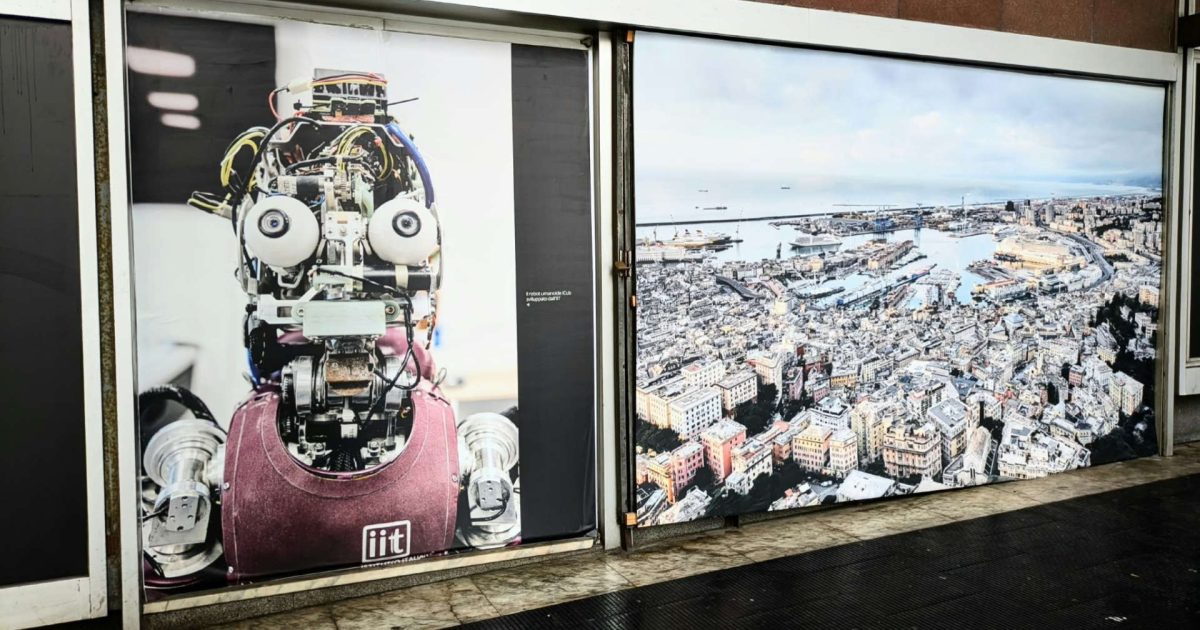
The conversation begins further back. Before taking the helm of a company, Pucci spent years at the Italian Institute of Technology working on iCub, the child-proportioned humanoid robot developed to study how cognitive abilities emerge. This line of research led to iRonCub, a humanoid robot equipped with jet engines and designed for disaster-response operations, where a robot may need to reach places that cannot be accessed on foot. Pucci’s team managed to make it fly. The project was then put on hold so that the company could focus its work on industrial customers. In the post accompanying the episode, the editorial team puts it this way: he made a humanoid robot fly, then grounded it to focus on robots that customers can actually use.
That decision explains the rest of the interview. Pucci acknowledges the pressure currently pushing robotics research towards becoming a product, and identifies advances in motors as one of the reasons humanoid robots have started jumping and dancing. But the point he returns to most often is a different one, expressed in a single sentence: “Artificial intelligence cannot be treated separately from the body.” At Generative Bionics, intelligence, mechanics and sensors are designed together, as part of the same process.
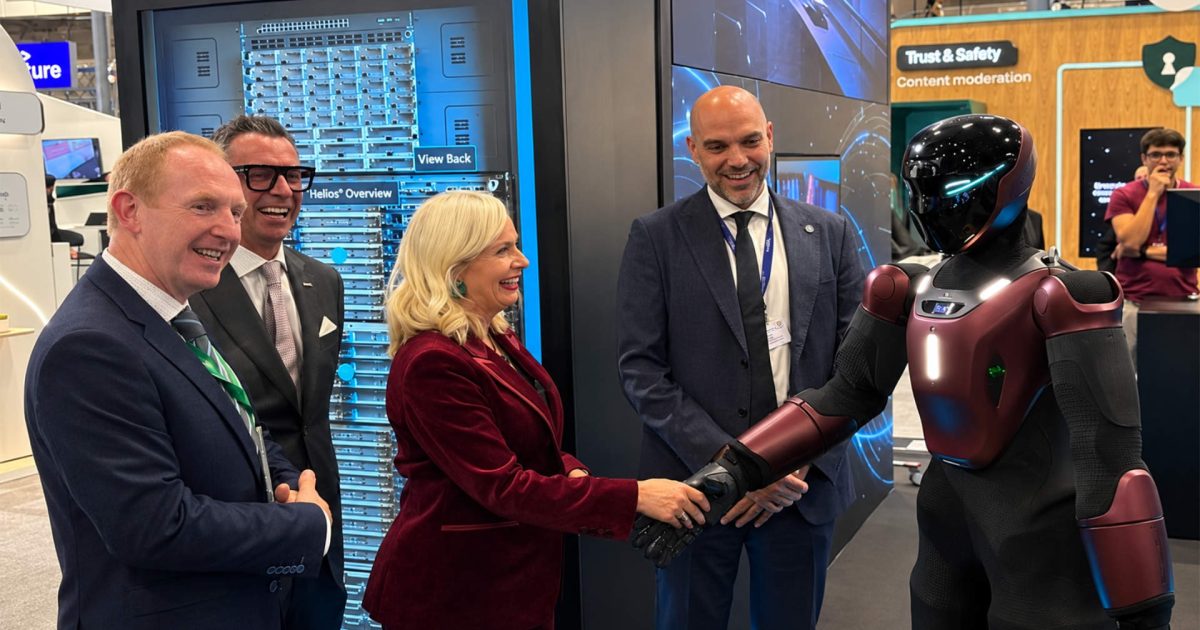
The skin on GENE.01 is the most visible part of this approach. The sensor-equipped covering detects contact, as well as the proximity of a person before contact occurs. Pucci describes it as a source of intelligence for the machine, rather than a safety accessory: a robot that has to work physically alongside people needs to be able to sense them.
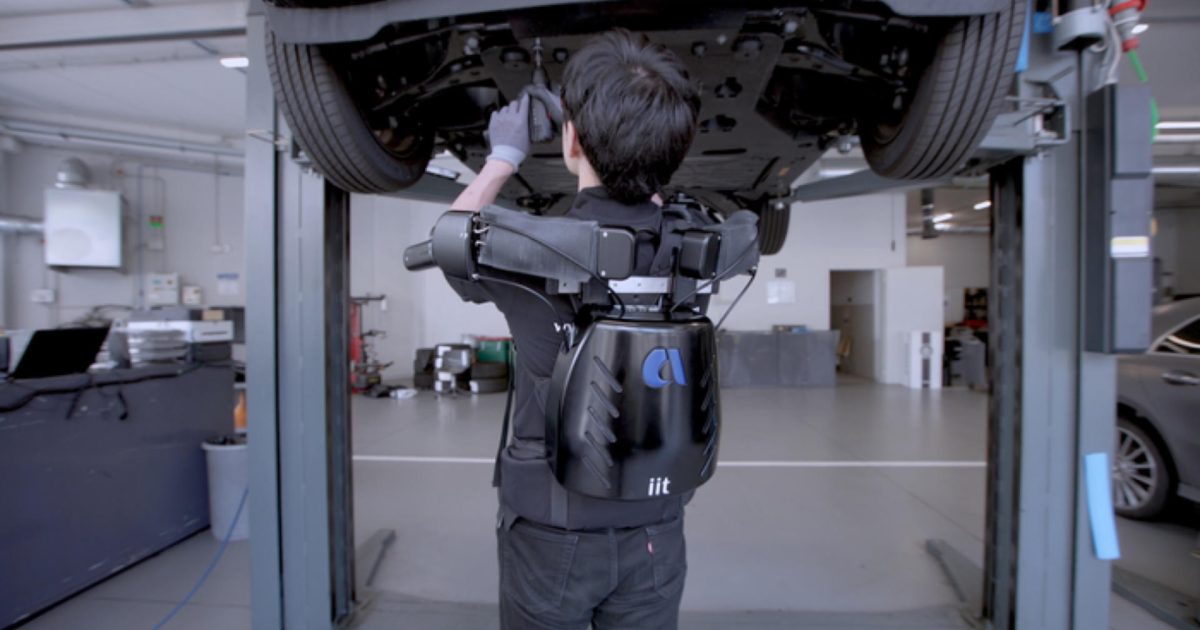
This leads to Heater’s most direct question. Many companies are trying to automate entire jobs: why build a machine that assists a worker instead of replacing them? Pucci’s answer begins with research developed around ergoCub, the humanoid robot that followed iCub. Wearable sensors measure the fatigue of workers and transmit the data to the robot’s artificial intelligence. The robot can then recognise when a person needs help and intervene at that moment. This is the approach on which the company is built, and Pucci explains why it matters for the kind of company Generative Bionics aims to be.
The product strategy follows the same logic. Generative Bionics is working on a common platform, which Pucci compares to a car chassis. The artificial intelligence, outer shells and end-effectors change depending on the task: a welding robot needs protection from heat, while a robot assisting in a hospital needs a different set of capabilities. In Pucci’s reasoning, the hospital lies halfway between the factory and the home, and is one of the intermediate steps before humanoid robots enter domestic environments.
The first of these robots already has a destination. As Pucci announced on theCUBE in September, a GENE.01 adapted for welding will enter a Fincantieri shipyard in the first quarter of 2027. For now, iRonCub remains grounded.